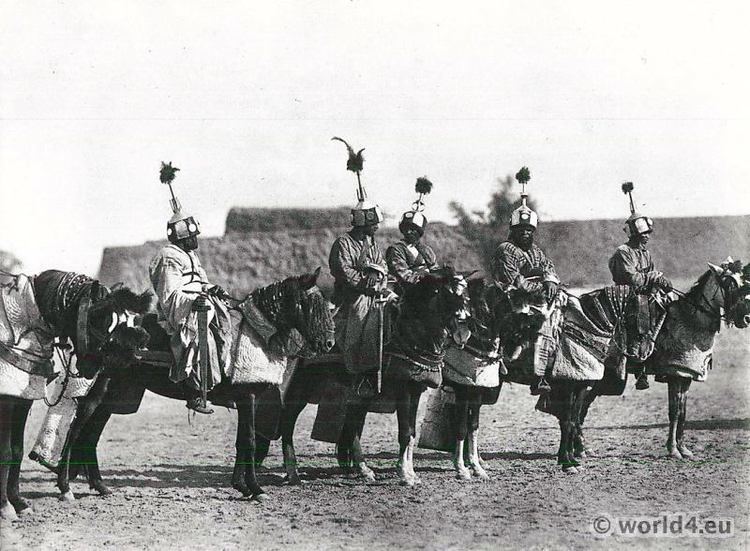
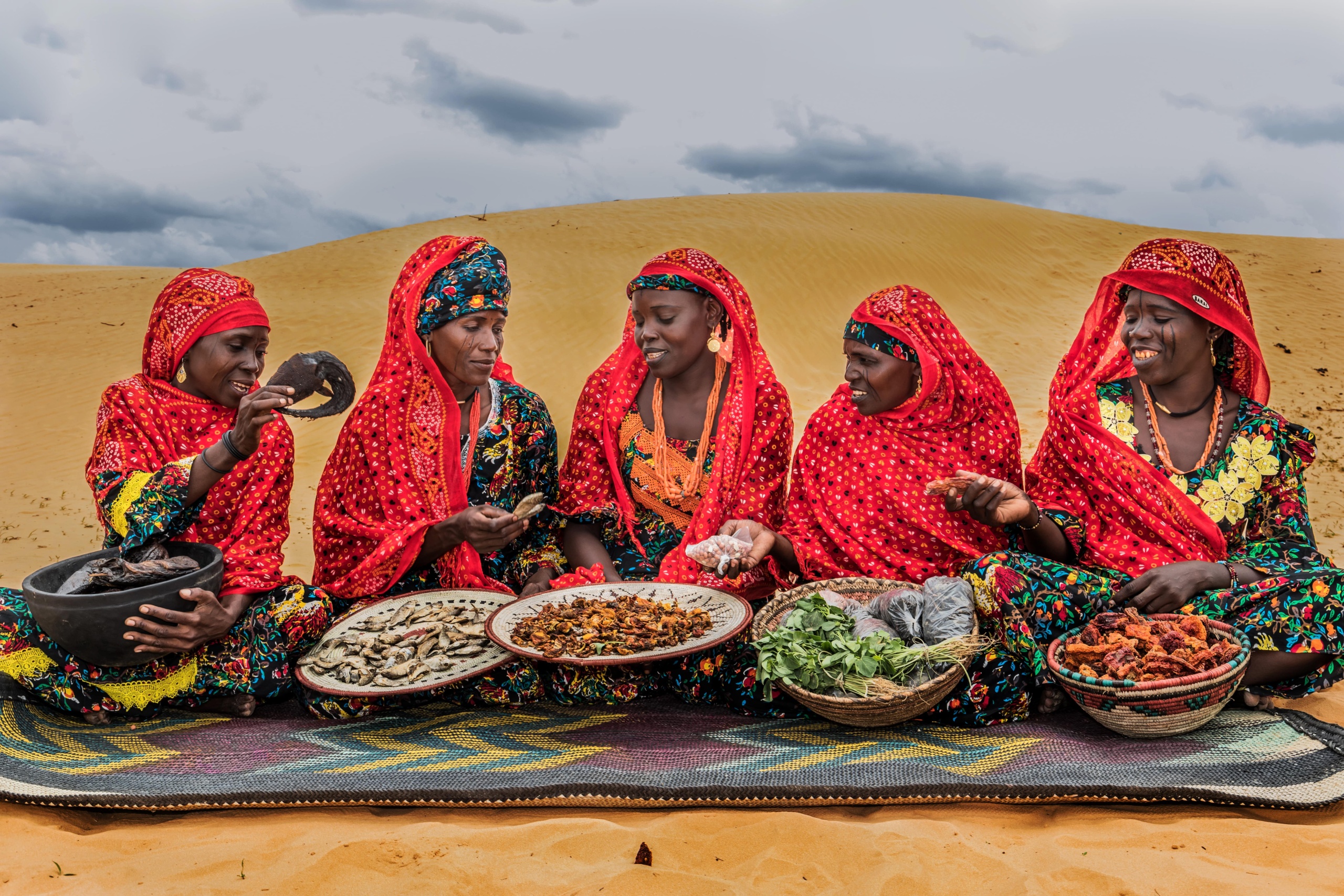
Borno retains a rich cultural heritage, with Islam being the predominant religion since its introduction during the Kanem-Bornu Empire era. The region is known for its traditional Islamic education, with Quranic schools playing a significant role in its identity. Traditional dances, music, and festivals reflect the diverse ethnic composition and historical depth of the area.
Borno State, situated in the North-East geopolitical zone of Nigeria, is a region marked by its historical significance, diverse geography, and contemporary challenges. It is uniquely positioned, bordering three countries: Cameroon to the east, Niger to the north, and Chad to the northeast. The state takes its name from the historic emirate of Borno, with its capital city, Maiduguri, serving as the administrative and economic center. Formed in 1976 from the breakup of the former North-Eastern State, Borno originally included the area now known as Yobe State, which became a distinct state in 1991.
Borno State’s history is a testament to its resilience and significance in the broader context of West African history. From the heights of the Kanem-Bornu Empire to the challenges of the modern era, the region has continuously adapted and evolved. Today, the focus is on overcoming the insurgency and humanitarian crises to pave the way for economic recovery and sustainable development. The future of Borno State will depend on sustained efforts in security, and investment, ensuring that this historically rich region can thrive once again.